
What Really Happens at Arraignment
If you have never stood in a courtroom as a defendant, arraignment can feel like the moment everything becomes real. Your name is called. The judge tells you what you are charged with. Decisions get made fast. And what happens in those first minutes can affect the rest of the case.
That is why people search for what happens at a criminal arraignment. They want a straight answer, not courtroom jargon. The short version is this: arraignment is usually the first formal court appearance where the judge advises you of the charges, addresses your rights, considers release conditions, and asks for a plea. But the details matter, and so does having the right defense strategy in place before you walk into court.
What happens at a criminal arraignment?
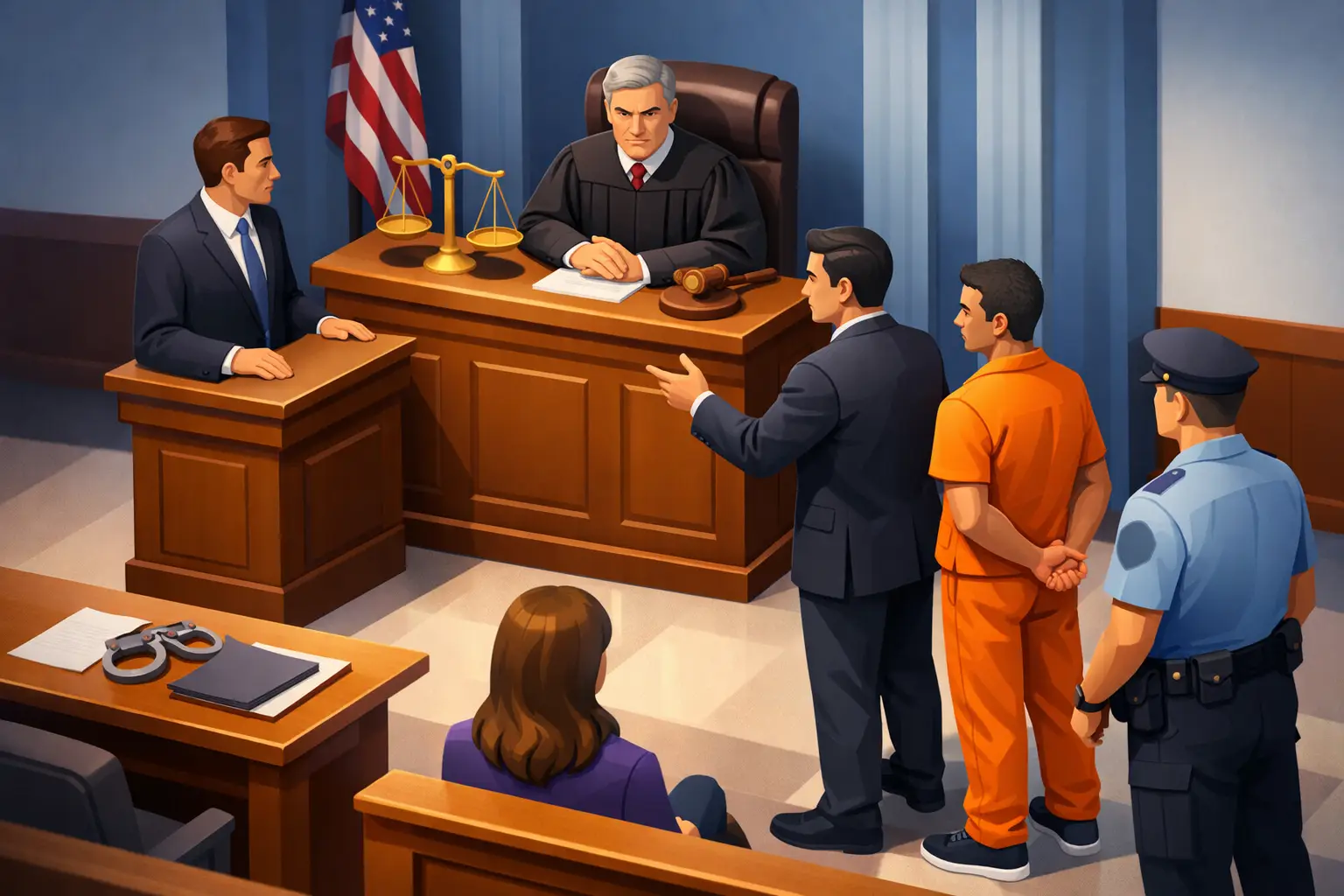
At a criminal arraignment, the court formally starts the case against you in open court. The judge typically confirms your identity, tells you the charge or charges filed, explains certain constitutional rights, and asks whether you have a lawyer or need one appointed.
In many cases, the judge will also deal with release conditions. That can include whether you stay in custody, whether you can be released on your own recognizance, whether bond applies, and what restrictions come with release. Then the court asks for a plea, usually guilty, not guilty, or in some cases no contest if allowed.
Arraignment is not a trial. Witnesses generally do not testify. The judge is not deciding whether you are guilty beyond a reasonable doubt. Instead, the hearing is about notice, rights, and the ground rules for the next stage of the case.
Why arraignment matters more than people think
Some defendants assume arraignment is just paperwork in front of a judge. That is a mistake. Even though it is often brief, it can shape your leverage and your risk.
First, release conditions matter immediately. If the prosecution asks for strict conditions, high bond, or detention, you need a serious response. Missing the chance to push back can mean sitting in jail or being placed under restrictions that make work, parenting, travel, or basic daily life much harder.
Second, your plea sets the tone. In most contested criminal cases, the standard plea at arraignment is not guilty so the defense has time to investigate, review evidence, and challenge the prosecution’s case. Pleading guilty too early can close doors before you know the strength of the evidence or whether there are legal defenses available.
Third, what you say in court matters. Defendants sometimes try to explain their side directly to the judge at arraignment. That can backfire. This is not the time to give statements that the prosecution may later use against you.
What to expect before the hearing starts
Before the case is called, there is often more going on than the public sees. The court may review the charging document, check whether service was proper, confirm custody status, and make sure counsel is present or addressed.
If you have retained counsel before arraignment, your lawyer may already be speaking with the prosecutor about release, scheduling, and any urgent issues. That early work can make a real difference. A prepared defense lawyer is not just showing up to stand beside you. The lawyer is looking at exposure, identifying weaknesses in the allegations, and protecting you from avoidable mistakes from day one.
If you do not have a lawyer yet, the court may ask about your financial ability to hire one and whether appointed counsel is appropriate. That process can vary depending on the court and the charge.
The judge will advise you of the charges and your rights
One core purpose of arraignment is making sure you understand what the government says you did. The judge or clerk usually reads the charge, summarizes it, or confirms that you received the complaint, information, or indictment.
You will also be advised of important rights. These commonly include the right to remain silent, the right to counsel, the right to a trial, and the presumption of innocence. In some courts, these advisements are given individually. In others, part of the process may happen in a group setting before the individual case is called.
That does not mean your case is generic. It means procedure moves fast. You still need to treat every word and every decision as case-specific.
What happens with bail or release conditions
For many defendants, the most urgent issue at arraignment is whether they go home. The judge may consider release conditions based on the alleged offense, criminal history, ties to the community, prior failures to appear, public safety concerns, and whether the court believes you will return.
Depending on the situation, the court may release you on your own recognizance, impose bond, continue detention, or set non-financial conditions. Those conditions may involve travel restrictions, no-contact orders, alcohol monitoring, firearm restrictions, or mandatory check-ins.
This is one area where a battle-tested defense lawyer can have immediate impact. Arguing for the least restrictive conditions takes preparation, credibility, and command of the facts. If the allegations are exaggerated, if the risk assessment is incomplete, or if there are strong reasons you should remain free while the case is pending, that needs to be presented clearly and forcefully.
What plea is entered at arraignment?
In most defended cases, it is not guilty
In a criminal case you intend to fight, the usual arraignment plea is not guilty. That preserves your right to receive evidence, file motions, negotiate from a position of knowledge, and prepare for trial if necessary.
A not guilty plea is not a claim that nothing happened. It is a legal demand that the prosecution prove the charge lawfully and beyond a reasonable doubt. That distinction matters.
Guilty pleas at arraignment can be risky
Some people want to get the case over with immediately. That instinct is understandable, especially when they are scared, embarrassed, or trying to get back to work and family. But pleading guilty at arraignment without a full review of the evidence is often a serious mistake.
It depends on the charge and the facts. In a rare case with a negotiated resolution already in place, a plea may happen early. But in many cases, early pleas happen before the defense has tested the evidence, reviewed police conduct, considered suppression issues, or measured the long-term consequences.
What happens after a criminal arraignment?
After arraignment, the case moves into the next phase. That usually includes future court dates, evidence exchange, motion deadlines, plea negotiations, and possibly preliminary hearing or trial preparation depending on the court and level of offense.
This is where real defense work begins. Your lawyer may obtain police reports, body camera footage, witness statements, lab results, and other evidence. The defense may investigate independently, challenge unlawful searches or statements, and push for dismissal, reduction, or a stronger bargaining position.
The time right after arraignment is critical because the prosecution is building its case too. Delay helps the other side. Early action helps the defense.
Common mistakes defendants make at arraignment
The biggest mistake is showing up unprepared and assuming the hearing does not matter. The second is talking too much. Judges appreciate respectful, direct answers to the questions asked. They do not need an unsworn speech about what really happened.
Another mistake is treating release conditions lightly. If the judge orders no contact, travel limits, or substance testing, violating those terms can create a new problem fast. Even technical violations can damage your credibility and make the original case harder to defend.
Finally, some defendants wait too long to hire serious counsel. Early representation can affect release, evidence preservation, witness access, and overall case direction. That is especially true when the stakes include jail, a felony record, professional consequences, or damage to your reputation.
Do you need a lawyer for arraignment?
Yes, if at all possible. Arraignment may look simple from the gallery, but it is not simple for the person charged. The court is making decisions that affect your freedom, your record, and your options.
An experienced criminal defense lawyer can explain the charge, advise you on the plea, protect you from making harmful statements, and argue for better release terms. Just as important, counsel starts shaping the case before bad assumptions harden into the court’s view of you.
For people facing charges in Albuquerque or anywhere in New Mexico, local court practice also matters. Procedure, timing, and how release issues are handled can vary from one court to another. Knowing the rules is useful. Knowing how to fight within them is better.
If you are facing arraignment, do not walk in guessing. Get answers, get a defense strategy, and get counsel who is ready for court from day one. Bowles Law Firm offers direct attorney involvement and courtroom-tested representation for people under pressure. Call Now or request a free case review at https://bowleslawfirm.com before your first appearance if you can. The earlier you protect your position, the more options you usually keep.